

Meet JKT
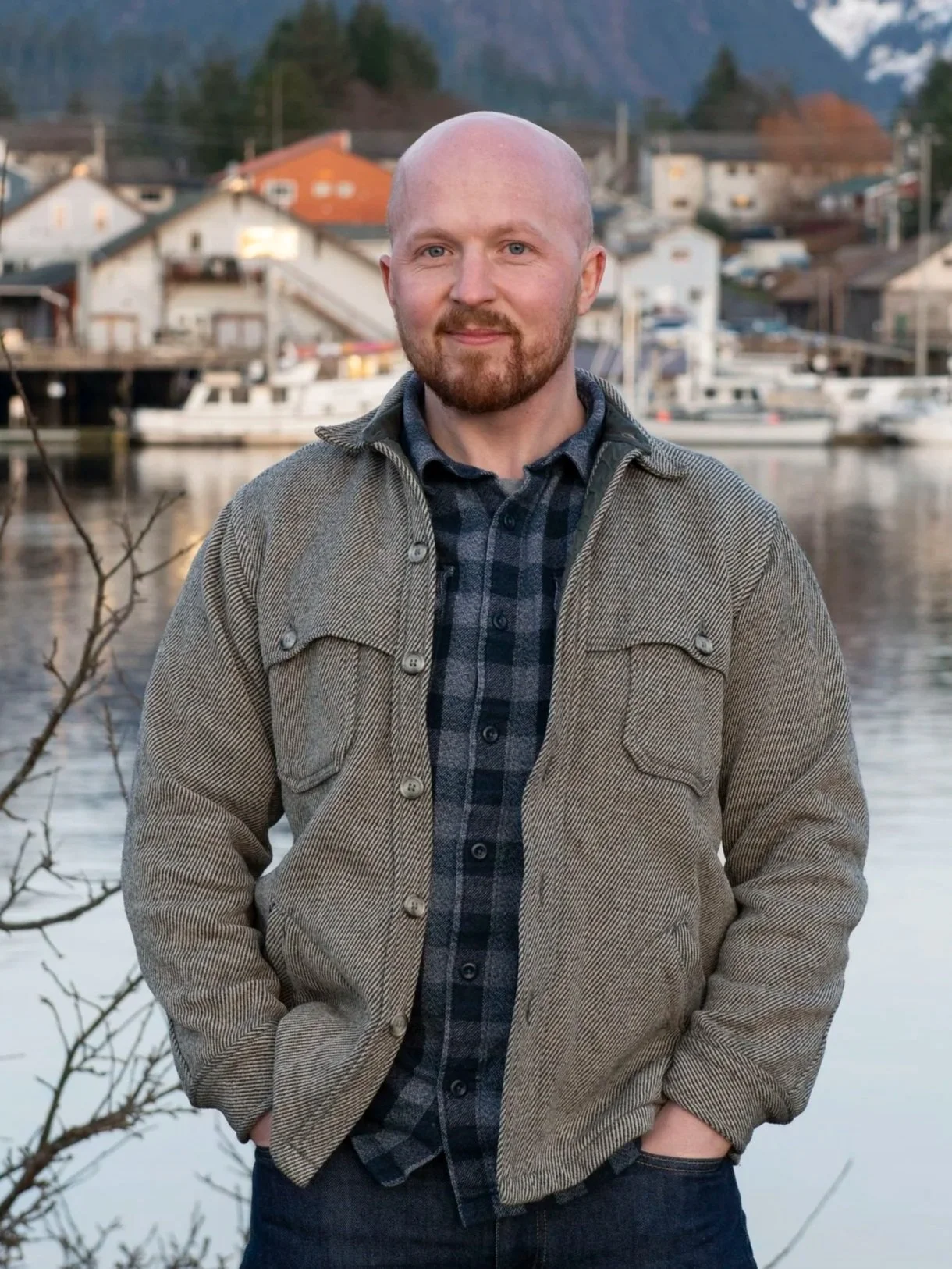
I’m Jonathan Kreiss-Tomkins — but most people call me JKT.
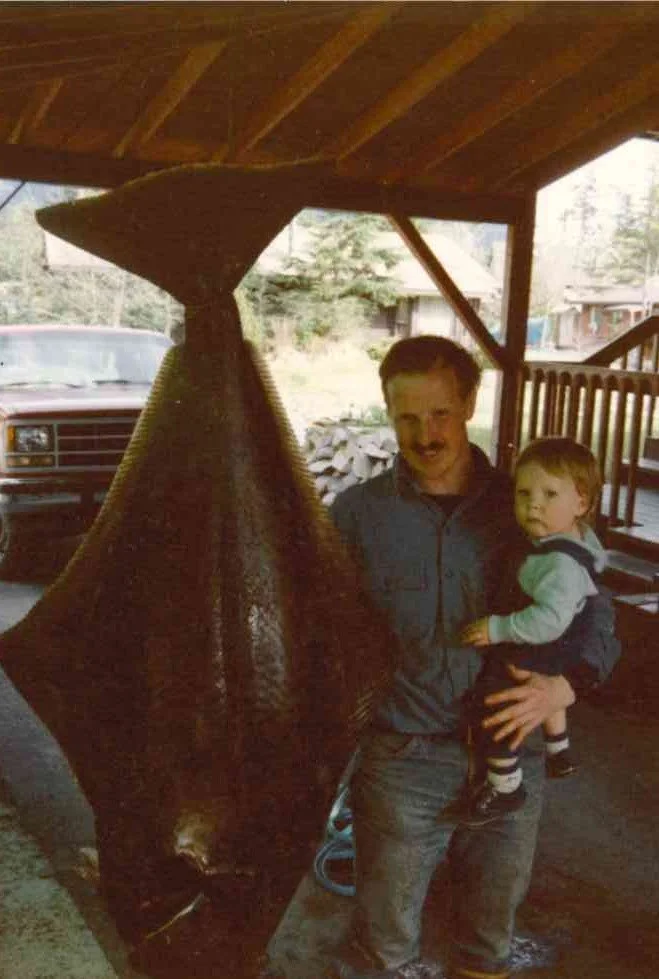
I was born and raised in Sitka. Like a lot of kids in Southeast, I spent most of my time playing in the woods and getting dirt under my fingernails. My dad kept the freezer full of venison and halibut, and my mom worked as a family doctor in the local hospital. I graduated from Sitka High School as an Eagle Scout.


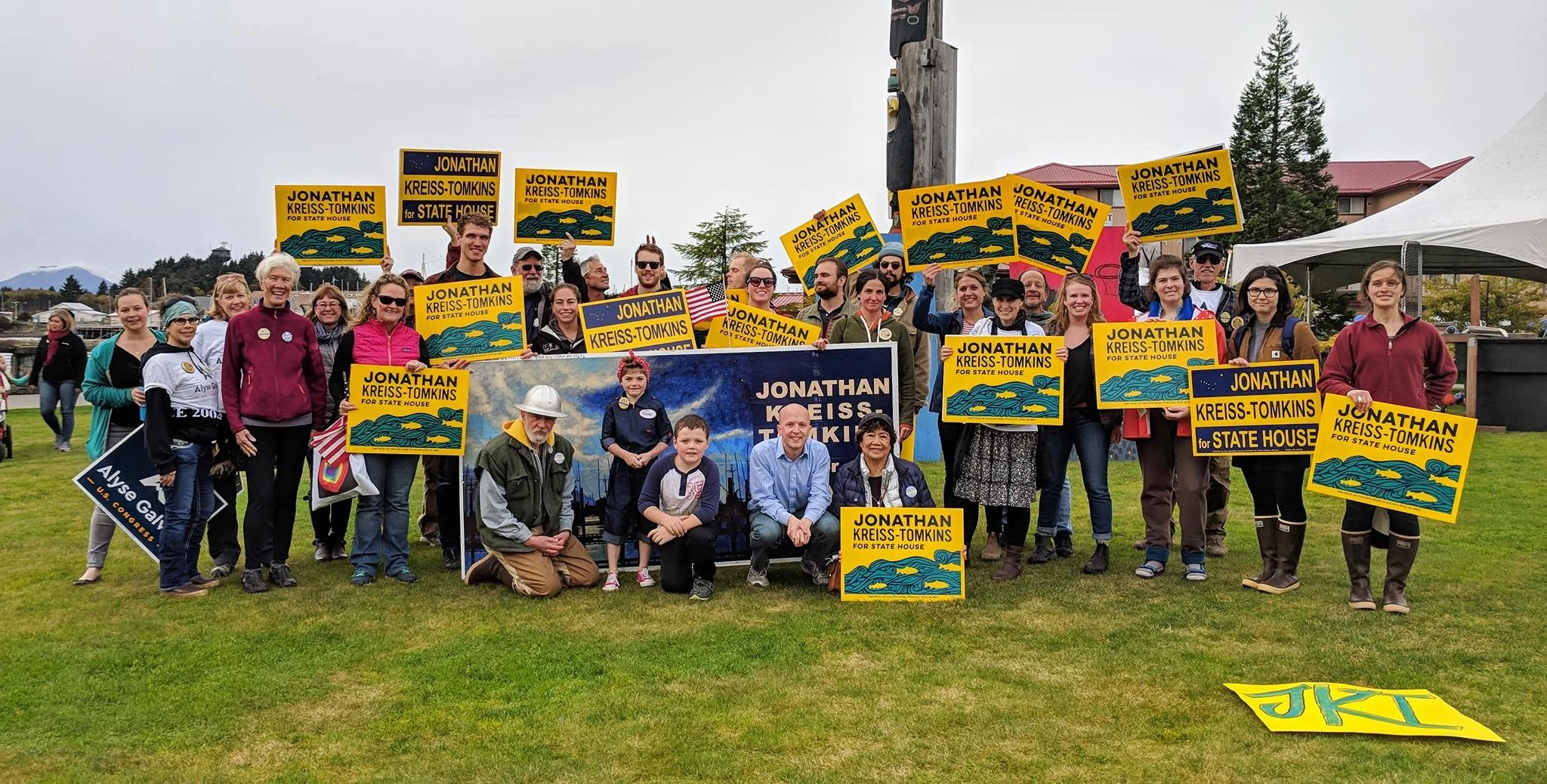
In 2012, I dropped out of college to run for the Alaska Legislature. After a scrappy, grassroots campaign knocking on nearly every door I could find across Southeast Alaska, I won by a landslide 32-vote margin.
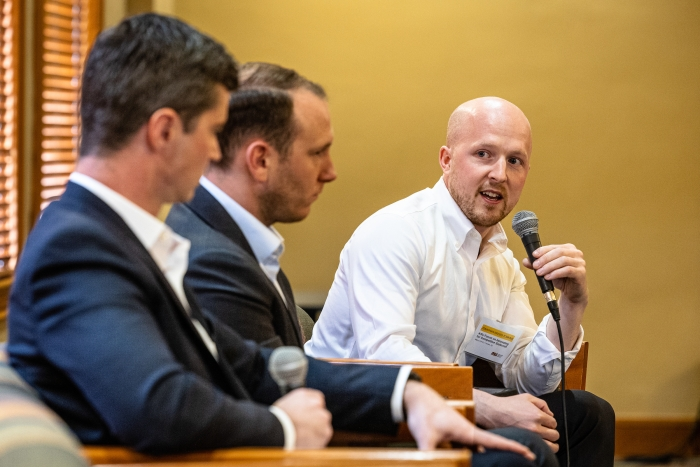
During my time in office, I worked with colleagues of all political affiliations on issues important to Alaska's long-term future, including reducing trawl bycatch, supporting public education, investing in roads and harbors, revitalizing Alaska Native languages, and safeguarding the $90 billion Alaska Permanent Fund. That experience reinforced something I believe deeply: effective government requires collaboration, sound fiscal management, and a willingness to work through difficult issues with people who bring different perspectives to the table.

Alaska faces challenges. Rising costs are squeezing families and businesses. Communities are contending with aging infrastructure and uncertain education funding. Should the price of oil decline, Alaska faces a severe budget deficit. Addressing these issues will require practical solutions, responsible stewardship of public resources, and brokering compromise.
Good government is a shared responsibility. By working across political and geographic divides, we can build a government that is responsive and accountable, and that helps revive our optimism for Alaska’s future.